

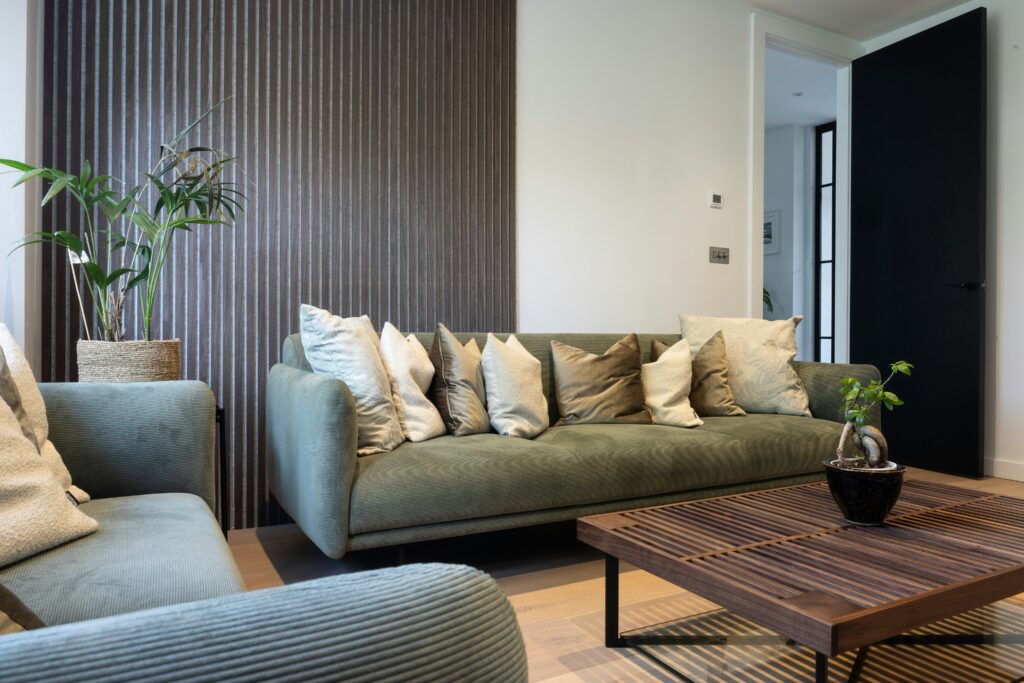
Paint alone can only do so much. When a living room feels flat despite the right colours and furniture, the missing ingredient is almost always texture. That is exactly why textured wall design for living room spaces has become one of the standout looks of 2026, adding depth and warmth that a plain painted wall simply cannot. A single textured feature wall can turn an ordinary hall into a room that feels designed and expensive. At Imperium Spaces, we use texture to give living rooms character without clutter, and here are the ideas worth knowing before you plan your own.

Why Texture Matters More Than You Think
Texture is what gives a room depth. A flat, single-colour wall reflects light evenly and reads as plain, while a textured surface catches light and shadow, creating interest that changes through the day. In a living room, where the walls form the backdrop to everything else, this makes a huge difference. Good textured wall design lets you add richness without adding clutter, which is exactly why it pairs so well with modern, minimal interiors. It is the detail that makes a room feel finished rather than furnished.
Textured Wall Design for Living Room Ideas
There is a texture for every style and budget. These are the textured wall design for living room options that consistently look great in Indian homes.
Step 1: Wooden Panelling and Fluted Panels
Vertical wooden or fluted panels are one of the most popular looks right now. The soft, ridged lines add warmth, depth, and a premium feel, and they pair beautifully with a TV unit or behind a sofa. Fluted panels suit both modern and warm minimal homes, and they hide minor wall imperfections at the same time.
Step 2: Stone and Brick Textures
Natural stone cladding or exposed brick brings a raw, earthy character that feels grounded and rich. A stone feature wall behind the TV or the main seating instantly becomes the focal point of the room. These textures work especially well in homes leaning towards natural, biophilic, or rustic styles.
Step 3: Textured Paint and Plaster Finishes
For a subtler effect, textured paint and lime or clay plaster finishes add gentle movement to a wall without any panelling. Finishes like limewash create a soft, cloudy depth that feels calm and organic. This is an affordable way to add texture and suits the warm, earthy palettes trending in 2026.
Step 4: 3D Wall Panels
Moulded 3D panels create bold, sculptural patterns that turn a wall into a genuine statement. They range from soft waves to geometric designs and work well in larger living rooms that can carry the drama. Used on one wall only, they add serious impact without overwhelming the space.
Step 5: Wallpaper With Texture
Modern textured wallpapers offer the look of fabric, grasscloth, or plaster with far less effort and cost. They are quick to apply, easy to change, and come in countless finishes. This is the most flexible option if you want texture but may want to update the look in a few years.
How to Choose the Right Texture for Your Room
The best choice depends on your space and style. Consider the size of your room, since bold 3D panels suit larger walls while subtle finishes work better in compact spaces. Match the texture to your overall look, pairing warm wood with minimal interiors and stone with earthy, natural schemes. Think about lighting too, because texture comes alive when light hits it from the side, so pair a feature wall with good wall lighting. Keep it to one wall so it stays a feature rather than overwhelming the room. To get the backdrop colour right alongside the texture, our guide to wall colour combinations for living rooms pairs perfectly with this.
Pairing Texture With Your TV Unit and Furniture
Texture works best when the rest of the room supports it. A textured feature wall behind the television makes a natural home for your entertainment setup, and our guide to TV unit design ideas shows how to combine the two seamlessly. Keep the furniture in front relatively simple so the wall stays the star. Natural materials like wood and cane complement most textures, while soft furnishings in quiet tones let the texture do the talking. This balance sits at the heart of warm minimalism interior design, which is why textured walls have become so popular in 2026.
Mistakes to Avoid With Textured Walls
A few errors can spoil the effect. Texturing every wall in the room makes it feel busy and closed in, so limit it to one feature wall. Choosing a texture that clashes with your furniture and palette breaks the harmony of the space. Ignoring lighting is a common miss, since a beautiful texture falls flat without light to bring out its depth. Going too bold in a small room can overwhelm it, and skipping proper surface preparation leads to finishes that do not last. For fresh, current inspiration before you decide, publications like Architectural Digest India showcase this trend well.
How Imperium Spaces Creates Feature Walls
At Imperium Spaces, we design feature walls as part of the whole room rather than an afterthought, matching the texture to your furniture, lighting, and palette. Because we handle design, manufacturing, and installation in-house, panelling and finishes are built and fitted to a clean, lasting standard. If you are planning the full space, our guide to living room interior design in Bangalore ties everything together, and you can browse our completed projects to see real feature walls we have built.
Final Thoughts on Textured Wall Design for Living Rooms
Texture is the detail that separates a plain room from a designed one. The best textured wall design for living room spaces uses one well-chosen feature wall, matched to your style and lit properly, to add depth and warmth without clutter. Whether you love warm wooden panels, raw stone, or a soft plaster finish, the key is balance and good lighting. If you would like a feature wall designed perfectly for your living room, book a free consultation with Imperium Spaces and we will bring your vision to life.