

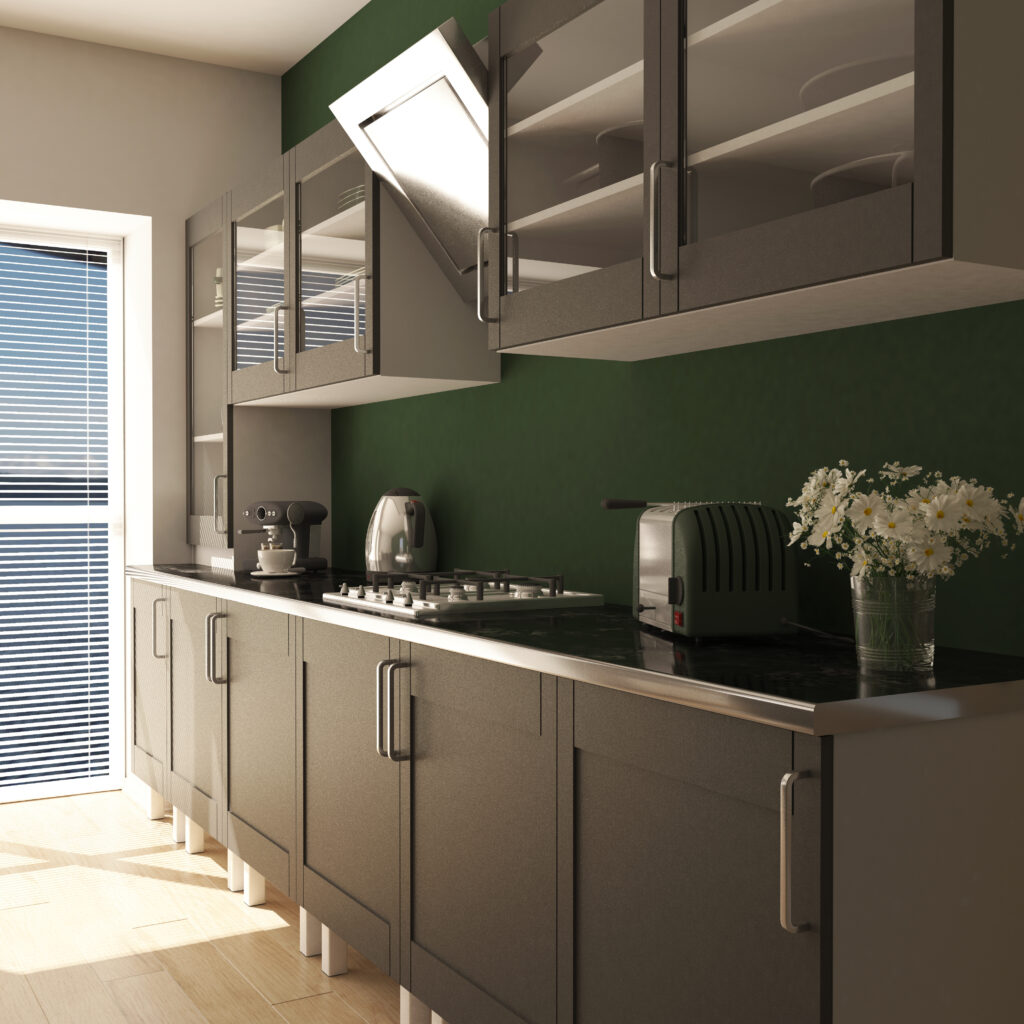
When it is time to plan a kitchen, one of the first big decisions is how it should be built. Should you go with a sleek, factory-made modular kitchen or a traditional one built on site by a carpenter? The modular kitchen vs traditional kitchen debate comes up in almost every project, and both approaches have real merits. The right choice depends on your budget, timeline, space, and how you cook. This guide breaks down the differences honestly so you can decide with confidence. At Imperium Spaces, we help homeowners weigh this exact choice every week, and here is everything you need to know.
What Is a Modular Kitchen
A modular kitchen is built from pre-manufactured units made in a factory to exact measurements, then assembled at your home. Cabinets, drawers, and shelves arrive finished and fit together like building blocks. Because the work happens in a controlled setting, the finishes are consistent, the fittings are precise, and the installation is quick and clean. This has become the standard choice for modern apartments where quality and timelines matter most.
What Is a Traditional Kitchen
A traditional kitchen is built on site by carpenters who cut, assemble, and finish everything at your home. It is the long-established method used for decades. Its biggest strength is flexibility, since every element can be shaped to fit the exact space, including unusual corners and custom dimensions. The trade-off is that quality depends heavily on the carpenter’s skill, and the work is slower and messier while it happens.
Modular Kitchen vs Traditional Kitchen: Key Differences
To choose well, compare the two across the factors that affect your daily cooking and your budget. These are the differences that matter most in the modular kitchen vs traditional kitchen decision.
Step 1: Compare Finish and Quality
Modular units are machine-made, so the finish is uniform and precise every time. Traditional kitchens depend on the carpenter’s skill, meaning results vary from excellent to average. If you want a guaranteed, showroom-level finish, modular has the clear edge here.
Step 2: Compare Time and Convenience
Modular kitchens are made off site and simply installed, so the on-site work is fast and clean. Traditional kitchens are built entirely at your home, which takes longer and brings dust and noise for weeks. For families who want to move in quickly, modular is far more convenient.
Step 3: Compare Customisation
This is where traditional kitchens shine. A carpenter can build around any odd corner, height, or shape without limits. Modular systems are highly flexible too, but they work within standard module sizes. If your kitchen has very unusual dimensions, traditional offers more freedom.
Step 4: Compare Cost
Traditional kitchens can look cheaper upfront since you pay for labour and material separately. Modular kitchens have a clearer, all-inclusive price and better long-term durability. Over the life of the kitchen, modular often works out to better value, though a tight starting budget may favour traditional. Our guide to modular kitchen cost in Bangalore breaks the pricing down in detail.
Step 5: Compare Durability and Maintenance
Modular units use engineered materials and quality hardware built to last, and damaged parts can be replaced individually. Traditional kitchens can be very sturdy but are harder to repair without redoing large sections. For low-maintenance living, modular is the easier choice, as covered in our how to maintain modular interiors guide.
When to Choose a Modular Kitchen
A modular kitchen is the better fit if you value speed, a clean installation, consistent finishes, and a clear budget from day one. It suits busy professionals, young families, and standard apartment layouts. If you want to explore layouts and finishes, our guide to modular kitchen designs in Bangalore shows how these kitchens come together in real homes.
When to Choose a Traditional Kitchen
A traditional kitchen makes sense when your space has highly unusual dimensions, when you want a very specific custom build, or when you have a trusted carpenter whose quality you already know. It also appeals to homeowners who enjoy being closely involved in every detail. The key is finding a genuinely skilled craftsman, since the outcome rests entirely on their ability. This is the same trade-off we cover in our modular vs carpenter interiors guide, applied specifically to kitchens.
Can You Combine Both Approaches
Many of the best kitchens actually blend the two. You might choose modular units for the main cabinets and storage where precision matters most, then use carpentry for a custom feature or an awkward corner that standard modules cannot fit. This hybrid approach gives you the reliability of modular where it counts and the flexibility of traditional work where you need it. A good design team recommends the right mix for your specific kitchen rather than pushing one method for its own sake.
Mistakes to Avoid With This Decision
A few errors trip people up. Choosing purely on upfront price ignores long-term durability and value. Picking a traditional kitchen without a genuinely skilled carpenter risks a poor finish. Forcing modular into a highly unusual space can waste potential storage. Ignoring your timeline can leave you without a working kitchen for weeks. Skipping a proper, itemised quote for either option often leads to surprises. For fresh inspiration on kitchen design, publications like Houzz India are worth exploring before you decide.
How Imperium Spaces Helps You Decide
At Imperium Spaces, we do not push one method over the other. We look at your space, budget, cooking style, and timeline, then recommend what genuinely works best for you, whether that is modular, traditional, or a smart blend of both. Because we handle design, manufacturing, and installation in-house, quality and timelines stay under one roof. If you are planning the full home, our guide to complete home interior design in Bangalore ties it together, and you can browse our completed projects to see kitchens we have built.
Final Thoughts on Modular Kitchen vs Traditional Kitchen
There is no universal winner in the modular kitchen vs traditional kitchen debate, only the choice that fits your home best. Modular wins on speed, finish, and long-term value, while traditional wins on flexibility for unusual spaces. The smartest decision balances your space, budget, and how you like to cook, and sometimes the answer is a blend of both. If you would like expert advice tailored to your kitchen, book a free consultation with Imperium Spaces and we will help you make the right call.